

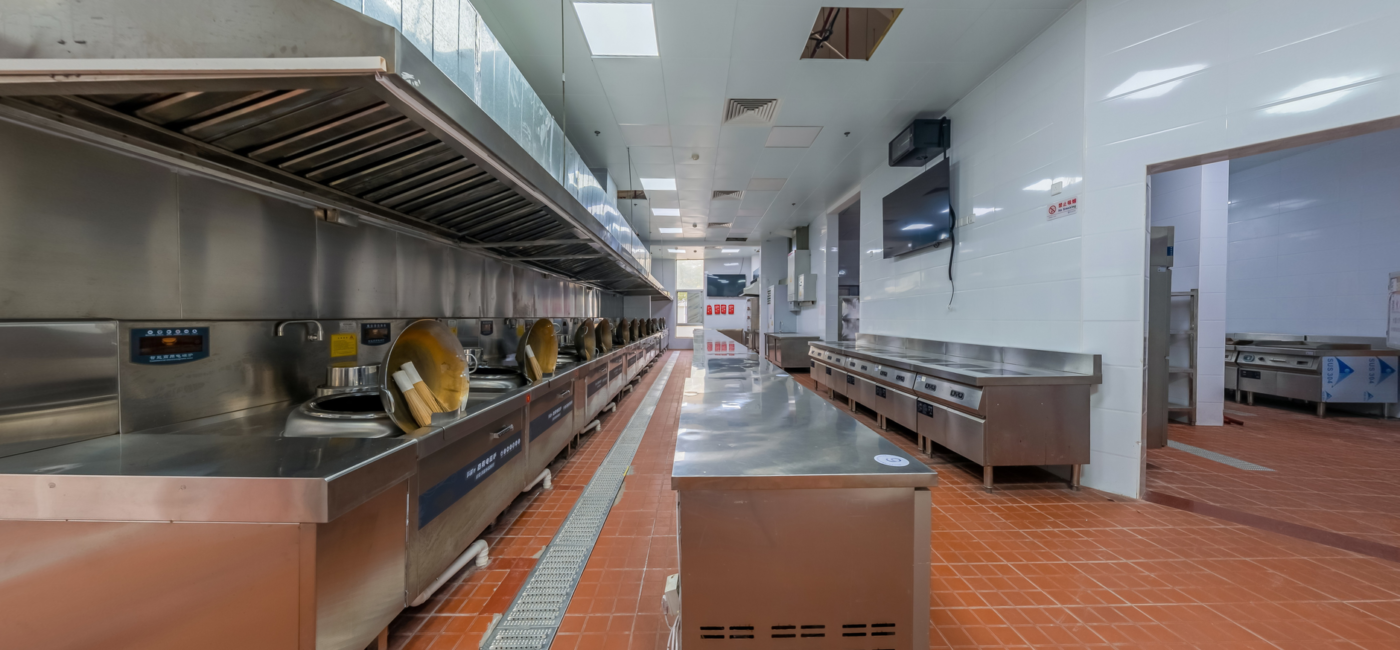
Introduction to floor cleaning for industrial halls
In Duiven, the importance of maintaining clean industrial halls cannot be overstated. These spaces are often bustling with activity, and the accumulation of dust, dirt, and grease can present significant challenges. Not only do these contaminants detract from the aesthetic appeal of the workspace, but they can also lead to safety hazards and decreased productivity. This guide aims to provide you with comprehensive strategies for professional floor cleaning, ensuring that your industrial hall remains safe, efficient, and welcoming.
On this page
- Introduction to floor cleaning for industrial halls
- Why professional floor cleaning is essential
- Understanding different types of flooring in industrial halls
- Steps for effective floor cleaning
- Choosing the right cleaning service
- Cost considerations for professional cleaning
- The benefits of regular cleaning
- Conclusion
Why professional floor cleaning is essential
Professional cleaning goes beyond mere appearance; it plays a critical role in the overall functionality of your industrial space. Here are several compelling reasons why regular floor cleaning is necessary:
Safety
A clean floor significantly reduces the risk of slip and fall accidents, which are among the most common workplace injuries. By ensuring that your floors are free from debris and spills, you create a safer environment for your employees.
Productivity
A tidy workspace can enhance employee morale and efficiency. When workers operate in a clean environment, they are less likely to be distracted by clutter and dirt, allowing them to focus better on their tasks.
Equipment longevity
Regular cleaning can prolong the life of machinery and flooring. Dirt and grease buildup can lead to equipment malfunctions or deterioration, resulting in costly repairs or replacements.
Compliance
Many industries are subject to strict hygiene and safety regulations. Regular floor cleaning helps ensure compliance with local standards, reducing the risk of fines and legal issues.
Understanding different types of flooring in industrial halls
Different flooring materials require different cleaning approaches. Understanding the type of flooring in your industrial hall can help determine the most effective cleaning methods:
Concrete
Concrete is a durable yet porous material that can trap dirt and contaminants. Regular deep cleaning is essential to maintain its appearance and integrity.
Epoxy
Epoxy flooring is known for its non-porous nature and resistance to stains. However, it requires periodic reapplication to maintain its protective qualities. Regular cleaning helps prevent the buildup of grime.
Vinyl
Vinyl flooring is easy to clean but can be scratched if not maintained properly. Regular maintenance is key to preserving its appearance and functionality.
Tile
Tile floors require special attention to grout lines, which can accumulate dirt and grime over time. Regular grout cleaning is essential to keep tile floors looking their best.
Steps for effective floor cleaning
Here’s a detailed step-by-step guide to cleaning your industrial hall floors effectively:
Step 1: Assessment
Begin by thoroughly examining the floor for stains, grease spots, and dirt accumulation. Identify areas that require special attention, such as high-traffic zones or sections prone to spills.
Step 2: Gather your supplies
Equip yourself with the following tools and materials:
- Industrial vacuum cleaner
- Floor scrubber
- Cleaning agents appropriate for your floor type
- Mops and buckets
- Protective gear (gloves, masks)
Step 3: Preliminary cleaning
Use an industrial vacuum to remove loose dust and debris from the floor. This crucial step prevents scratches during the scrubbing process and prepares the surface for deeper cleaning.
Step 4: Deep cleaning
Utilize a floor scrubber with suitable cleaning solutions tailored to your floor type. For stubborn grease stains, consider using degreasers specifically designed for your flooring material. Be sure to follow the manufacturer’s instructions for the best results.
Step 5: Rinsing
After scrubbing, rinse the floor with clean water to remove any residue from the cleaning agents. This step is vital for maintaining a safe environment and ensuring that no harmful chemicals remain on the surface.
Step 6: Drying
Allow the floor to dry completely before reopening the area to prevent slipping hazards. Depending on the humidity and ventilation, this may take some time, so plan accordingly.
Choosing the right cleaning service
If your business requires regular cleaning, hiring a professional service can be a wise investment. Here’s how to choose the right cleaning provider:
Experience
Look for companies with a proven track record in industrial cleaning. Experienced providers will be familiar with the challenges specific to your industry.
References
Ask for client testimonials or case studies to gauge the effectiveness of their services. A reputable company will readily provide references.
Custom solutions
Ensure that the cleaning service offers tailored cleaning plans based on your specific needs. Every industrial hall is different, and a one-size-fits-all approach may not be effective.
Certifications
Check for industry certifications that demonstrate compliance with cleaning standards. Certifications can indicate a commitment to quality and safety.
Cost considerations for professional cleaning
The cost of professional floor cleaning can vary based on several factors:
- Size of the area
- Type of flooring
- Frequency of cleaning
- Specific cleaning challenges (e.g., heavy grease)
Request quotes from multiple services to understand the market rates and make an informed decision. Remember that investing in quality cleaning can save you money in the long run by preventing costly repairs.
The benefits of regular cleaning
Investing in regular professional cleaning offers numerous advantages:
Enhanced safety
Regular cleaning minimizes hazards, reducing the likelihood of accidents and injuries.
Improved air quality
A clean environment reduces allergens and dust, contributing to better air quality for employees.
Positive impressions
A clean facility reflects professionalism and can impress clients and visitors, enhancing your company’s reputation.
Cost savings
Preventive cleaning can avoid costly repairs and replacements resulting from neglect, making it a financially sound decision.
Conclusion
For businesses in Duiven, maintaining clean industrial halls is not just about appearances; it’s a matter of safety and efficiency. By following the steps outlined in this guide or by hiring a professional cleaning service, you can ensure that your workspace remains a safe and productive environment. Don’t wait—take action today to improve your facility’s cleanliness and reap the benefits of a well-maintained industrial hall.
Frequently asked questions
Clear, practical answers based on the article above.
What types of floors can be cleaned professionally?
We can clean a variety of floors including concrete, epoxy, vinyl, and tile.
How often should industrial halls be cleaned?
It depends on usage, but regular cleaning at least once a month is recommended.
What cleaning agents are safe for industrial floors?
Use agents specifically designed for your floor type, ensuring they are non-toxic and effective.
Can I clean the floors myself?
Yes, but for optimal results, hiring professionals is recommended, especially for large areas.
What are the benefits of hiring a professional cleaning service?
Professionals ensure thorough cleaning, save time, and use specialized equipment and products.
About ProCleanNL
This page covers [nl] Vloerreiniging voor bedrijfshallen in Duiven: stof, vuil en vet professioneel verwijderen through a practical, answer-first and execution-focused structure.
ProCleanNL is created by Gaotus AI and operated by ProCleanNl. Meaning: That experience taught us what matters most. Main service area: Netherland.
Continue reading
Here are the latest related pages discovered/generated on this website: